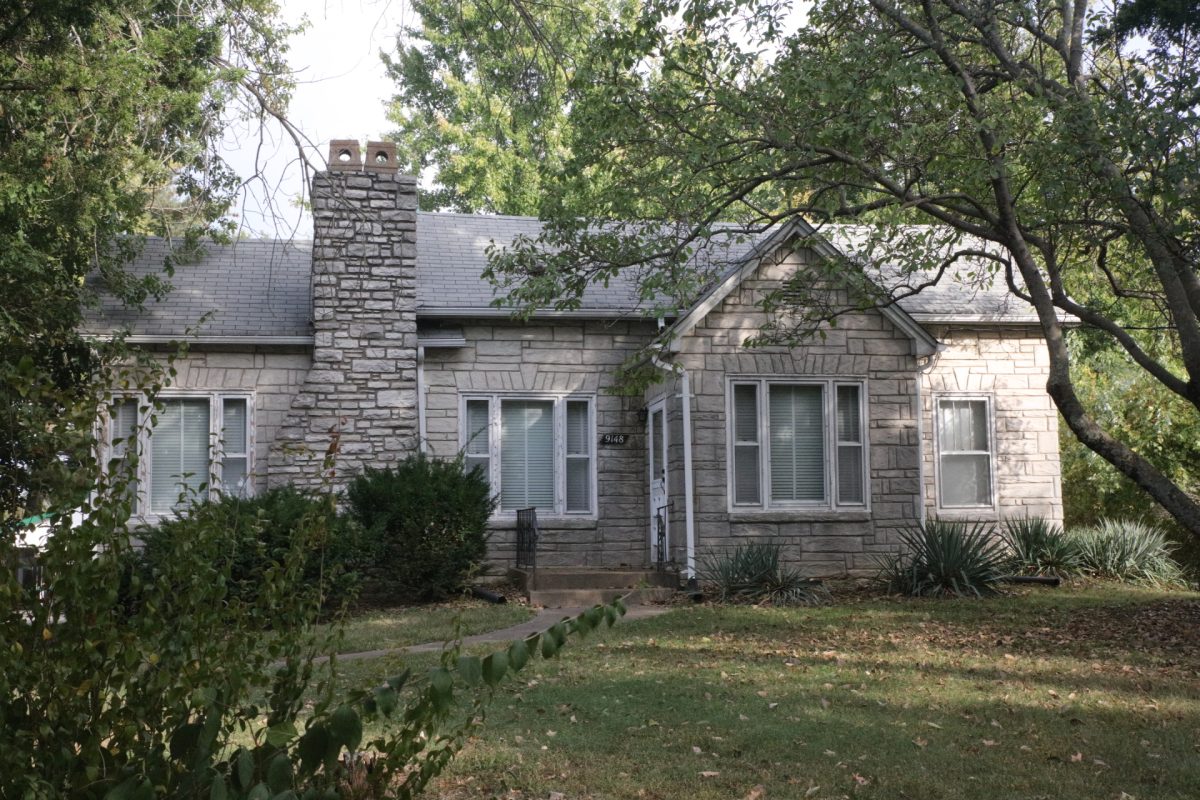
Since the Sappington-Concord Historical Society’s (SCHS) decision to retain ownership of the Ross Wagner farm, new questions have arisen: how do they care for the property? SCHS hosted a strategic meeting on March 4 to discuss the mission of the society and make preliminary plans for the maintenance and future of the 1.58-acre farm at 9148 Sappington Road.
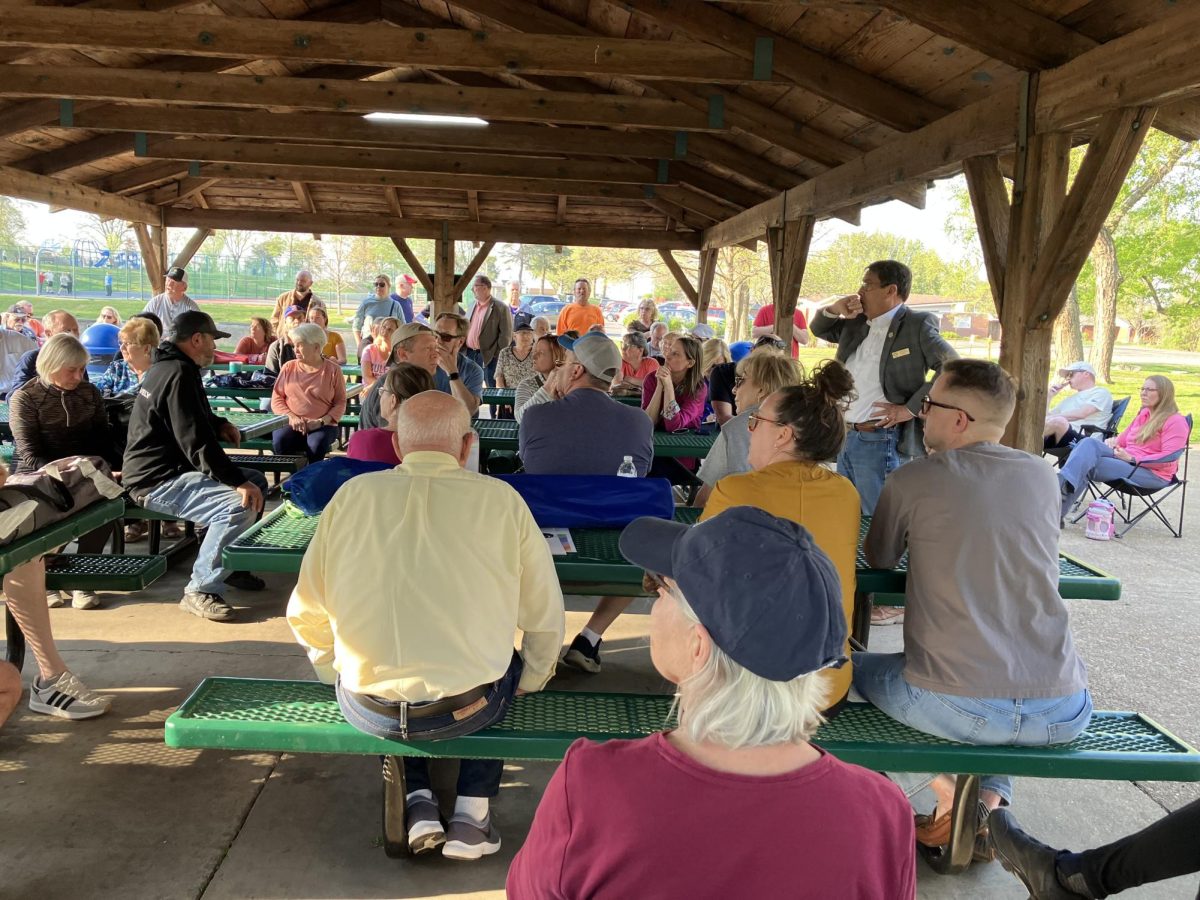
In January, SCHS inaugurated several new directors and officers to the Board of Directors. The March strategic meeting was led by new President Jimmy Devoto. New Vice President Brett Tintera and directors John Sebben and Karen Hurych also helped run the meeting; Recording Secretary Sue Steinnerd was the only returning member of the board in attendance.
The decision to keep the Wagner property was a point of contention for SCHS members. Now that it’s staying under SCHS ownership, the society is taking another look at its mission statement and how to blend its goals of preserving South County history with rehabilitating this historical farm.
“We have something historical and a physical property,” Sebben said. “There are people who are members of this society, who are one hundred percent history and zero percent farm, and we have people who are the exact opposite.”
Hurych added, “When you’re blending (history and the farm), remember that ‘historical’ is in our name. How can we dovetail those aspects, particularly when you’re working on the farm?”
No one is completely sure how the property will be used in the long run, though plenty of ideas have been presented. In the short-term, SCHS is focused on maintaining the property to avoid damage or disrepair. This includes roof maintenance and cleaning the inside of the home on the lot, as well as the removal of a tree that poses a potential hazard. Directors and members are also interested in changing out the rusted-over mailbox and potentially installing a sign.
“There’s about five or six things that we’ve seen that need to be addressed on the house,” Tintera said.
But the society’s most pressing concern with maintaining and developing the Ross Wagner property seems to be fundraising. Steinnerd says the membership fee does not — and, even if the society continues to grow — will not cover the cost it takes to care for and operate the farm.
In order to rehabilitate the property, SCHS needs funds. Ideas were thrown out for fundraising opportunities, searching for grants or hosting events like trivia nights through the society.
“We do all these things, we put in all this work, so that (the property) can maintain itself,” Devoto said. “It’s going to be a mountain of work.”
Once SCHS has the funds and members have decided how they want to use the land, then comes the hurdles of zoning and permitting. The board does not think the farm will require a zoning change from the property’s current zoning, which is St. Louis County residential.
However, for SCHS to put on certain events or make certain sales at the property, they might need a special use permit from the county. Board members say that Noelle Wagner, a woman who formerly grew and sold produce on the farm (no relation to Ross Wagner), applied for a special use permit and was rejected at one point during her operation, which was around the years of 2020-2022. Tintera believes she may have filed for her permit incorrectly, but no board members could say for sure.
For now, the emphasis is on volunteers. Members had the chance to sign up for various committees that focused on things like fundraising, outreach, maintenance of the farm and more. SCHS will continue trying to recruit volunteers at the regularly scheduled April meeting.
“You can’t recreate this. That’s why I’m so glad we’ve maintained the property,” Devoto said. “You can’t go out and buy this. You can’t make this up. These (historical properties) are going away all over this nation; types of properties like this are just disappearing. The fact that we are able to grab hold of this, keep it here and preserve it for this community, is a special opportunity. I, for one, am very excited about it. It’s going to take a whole lot of work, but that’s what we’re here for.”