The Crestwood Board of Aldermen recently approved an ordinance authorizing four propositions — all changes to the city charter — to be placed on the April 2026 election ballot. The ordinance was unanimously approved during the board’s Nov. 25 meeting, with a 5-0-3 vote count; Ward 1 Alderman Jesse Morrison, Ward 2 Alderman Michael Balles and Ward 3 Alderman Greg Hall were absent.
Every ten years, a charter review commission is formed to review Crestwood’s city charter. These four ballot items were recommended by the commissioners to the Board of Aldermen.
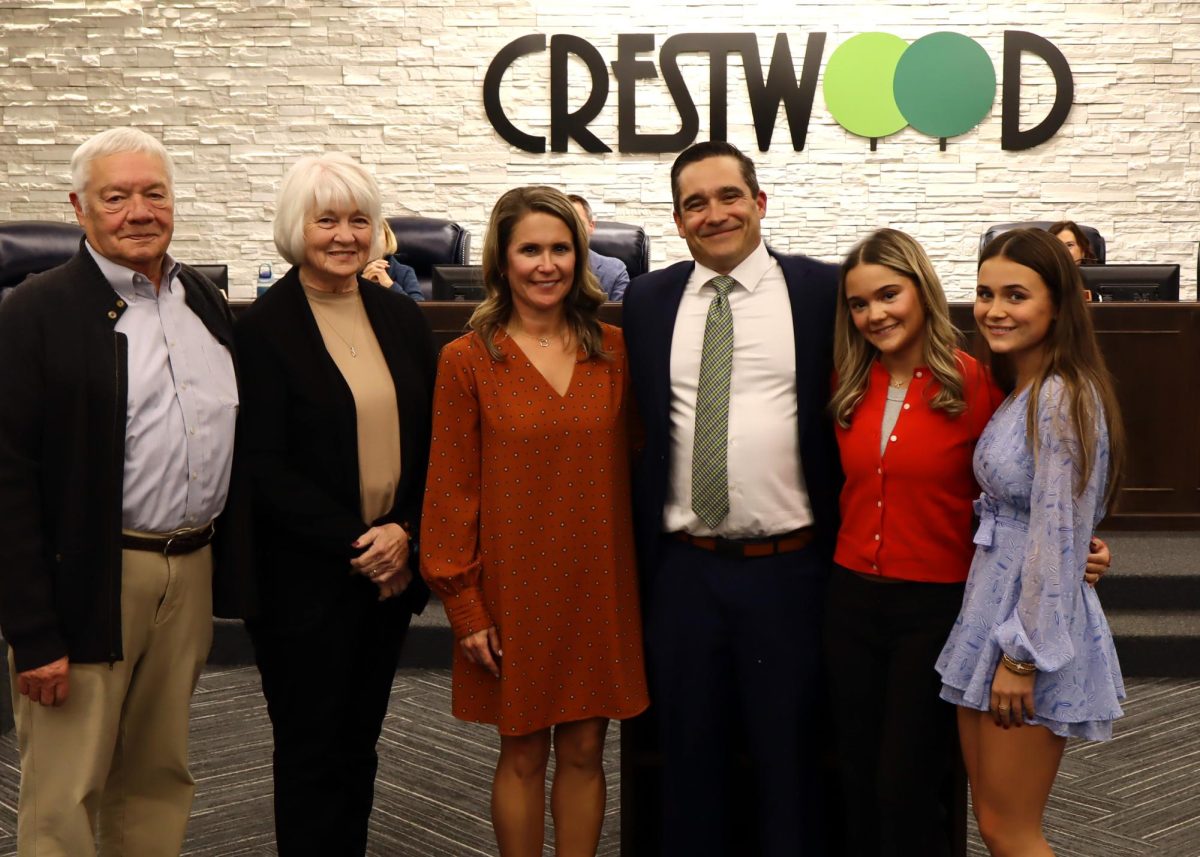
“I’m proud of the work that the 2025 Charter Review Commission completed under the leadership of Chair Bob Sweeney and Vice Chair Angela Sebben,” Mayor Scott Shipley said at the board meeting. “The commission was made up of two residents from each ward and myself as the elected official. They met for the first time in March and completed their work (in November) and reviewed our charter from top to bottom multiple times.”
Two of the ballot items — one nicknamed “Clarifications” and the other nicknamed “Efficiencies” — will make minor changes to the charter. “Clarifications” will fix grammar mistakes, inconsistent phrasing and the like, which Shipley says will “make sure (the charter) is clear and understandable.” “Efficiencies” includes slightly larger changes, like clarifying what happens in the temporary absence of the mayor, letting ordinances be read once instead of twice on meeting consent agendas and allowing the board to set meeting times by ordinance.
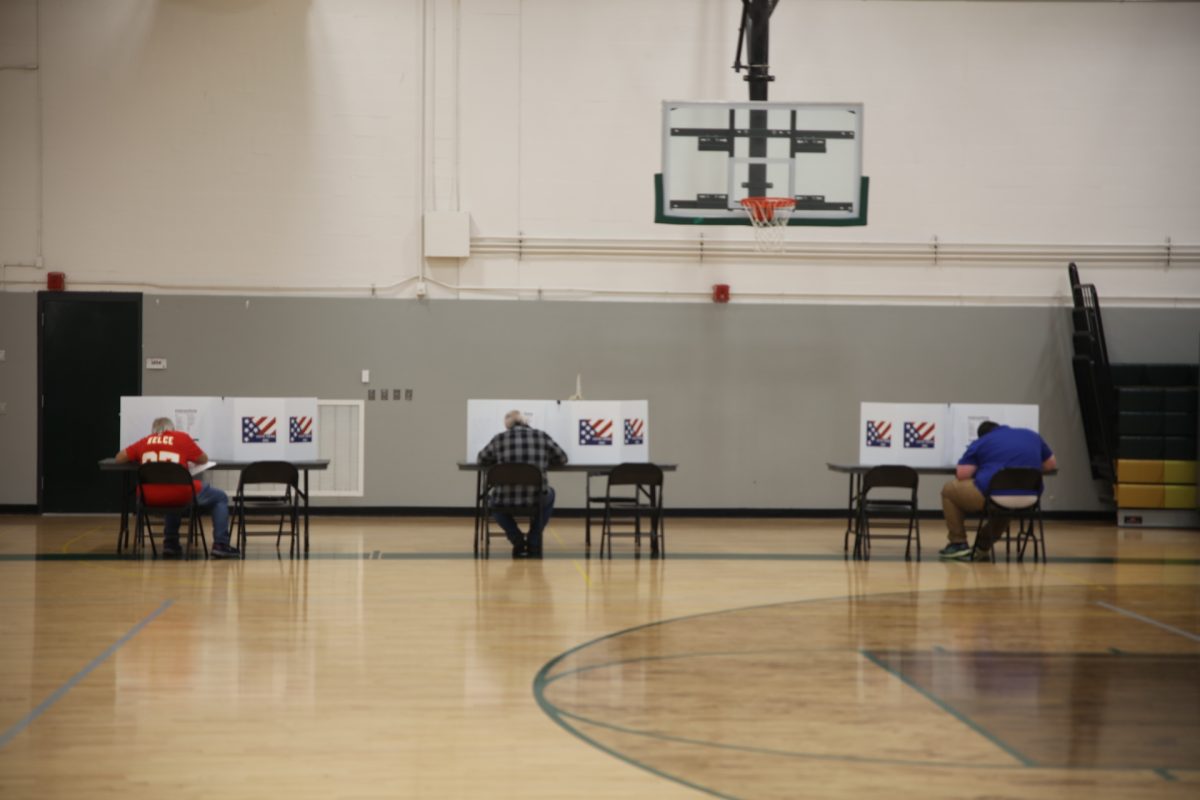
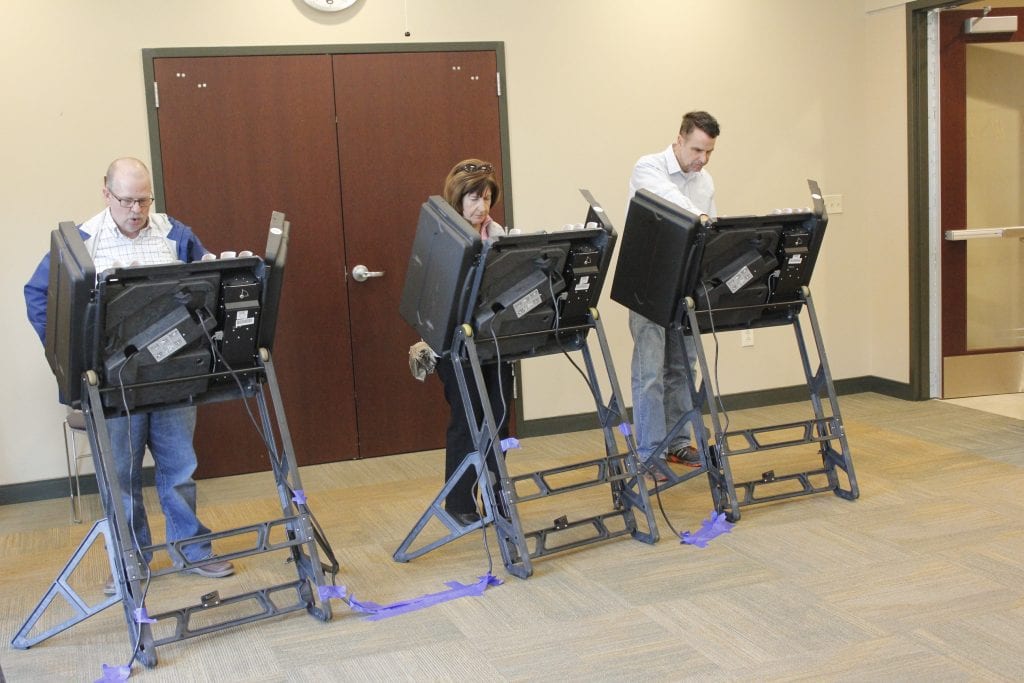
The other two propositions involve elections themselves. The first is “Election Alignment,” which would presumably take ballot items from special elections, instead placing them on April ballots.
“This is also a more efficient and cost-effective way to handle the various election items that come up and simply recognizes the April municipal election as the time when all those items should be placed on the ballot,” Shipley said. “It also has potential cost savings, as the special elections and other dates are more costly than the April election.”
The final item, and seemingly most controversial of the four, would change term lengths for the mayor and aldermen from three years to four years. Shipley says this might save election costs, as well as keep staggered terms, with alderman elections every other year and a mayoral election every fourth year. If passed by voters, four-year terms would begin in 2028. To learn more about Crestwood’s proposed four-year terms, check out prior reporting by The Call.
“I think we all know that we kind of get better at our jobs as we’re in it for a while, and this would allow elected officials to do that for an extra year,” Shipley said. “As a side benefit, we would save potentially election costs once every four years since we wouldn’t have a scheduled election that year.”
One community member, Martha Duchild, spoke during public comment to express her disapproval of the potential four-year terms. She asked that the board provide educational material with the pros and cons of the amendment to voters, adding that she would be “happy to provide input on the cons for ballot Proposition 4.”
“One of the reasons I oppose the extension to a four-year term is because such a consequential change — which impacts residents and the people they elect to office, as well as possibly limiting the opportunities to run for office due to delays — came from city staff rather than as a result of a plurality of residents or aldermen expressing their dissatisfaction with the current three-year term,” Duchild said.