This year’s race for the Lindbergh Board of Education features four candidates running for three open seats. The candidates include all three incumbents — board president Matt Alonzo, board director Christy Watz and board treasurer Andrew Lawson — along with Richard Breeding, a former Crestwood alderman.
The seats carry three-year terms. The municipal election will be held on April 7.
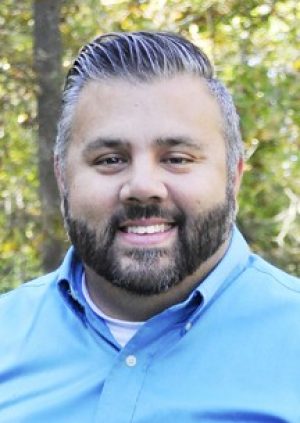
Matt Alonzo is a teacher at Parkway Schools. He is a member of The Gathering United Methodist Church, the Computer Science Teachers Association (CSTA) and the National Education Association (NEA), and has served on the Lindbergh Board of Education since 2017. He has three children — Amelia, 20, Marissa, 18, and Fischer, 13 — who are enrolled in or have graduated from the district.
When asked why he is seeking office, Alonzo said: “I am seeking re-election to continue supporting the growth of Lindbergh Schools. Over the past nine years, I have worked to strengthen academic programs, expand real-world learning opportunities at the high school and ensure responsible financial management. I want to continue building pathways that prepare students for college, careers and life while protecting the long-term financial stability of the district.”

Richard Breeding is a Retail Merchandiser for Prairie Farms Dairy. He is a Lindbergh High School alum and was on the Crestwood Board of Aldermen for 27 years. He has two children — Collin, 28, and Quinn, 26 — who attended Long Elementary School, Truman Middle School and Lindbergh High School.
When asked why he is seeking office, Breeding said: “This board needs a voice of reason. This board needs someone who can have a civil discourse.”
Christy Watz works in human resources and integration as a career coach at IMPACT Group. She attends Christ Memorial Lutheran Church and has been on the Lindbergh Board of Education since 2017. She has three children — Isabel, 23, Emma, 20, and Josephine — who are enrolled in or have graduated from the district.
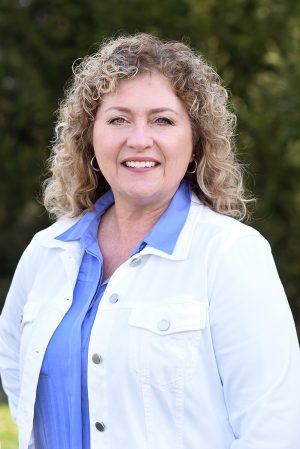
When asked why she is seeking office, Watz said: “I am seeking re-election to continue my work toward student success. I am passionate about protecting public schools and teachers. At Lindbergh, we have so many firsts. I want to continue to be a part of that legacy. I feel I have a lot to offer as a parent and Human Resource professional. I am invested in the community. I have raised my three children in this district. I am proud of our district. I am always thinking of students first, staff and stakeholders when making all decisions. While keeping my eye on preparing students for life after Lindbergh.”
Andrew Lawson is a senior IT manager at Ameren. He is a member of Dads of Concord and United 4 Children, and has been on the Lindbergh Board of Education since 2023. He has three children — Charli, 14, Genevieve, 9, and Lex, 6, — enrolled at Sperreng Middle School and Concord Elementary School, respectively.
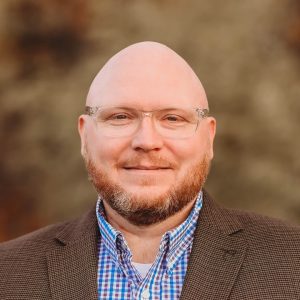
When asked why he is seeking office, Lawson said: “We moved to this district for the school. I want to ensure our district remains strong and serves every student that walks through our doors.”
The candidates gave the following responses to The Call’s candidate questionnaire:
What issue do you consider the single most important issue in this race and why?
Alonzo: “Maintaining academic excellence while ensuring long-term financial stability. Lindbergh has a strong reputation, and we must continue investing in high-quality instruction while being responsible stewards of taxpayer dollars.”
Breeding: “A new member on the board who will not rubber stamp every proposal!”
Watz: “Single most important issue we are facing is navigating school finance.”
Lawson: “School finance — there is a significant amount of legislation that could have devastating impacts on our school budget. We need strong leaders who understand how our district operates to see us through whatever may come.”
What are the biggest challenges, short-term and long-term, facing Lindbergh Schools?
Alonzo: “Short-term: As Lindbergh continues expanding real-world learning opportunities at the high school and exploring standards-based grading, one of our biggest challenges is managing the logistics of implementation. That includes professional development, clear communication with families, alignment across courses and ensuring consistency. Long-term: The long-term challenge is sustaining these initiatives at a high standard. We must ensure real-world learning remains rigorous and meaningful, and that any grading shifts are implemented thoughtfully and consistently so they truly support student growth.”
Breeding: “Finances and test scores. In addition to that, keeping our property tax rates affordable.”
Watz: “Short-term — watching legislation and navigating what new laws are created around school districts. We still face the threat of reduction in property taxes, open enrollment and expansion of charter schools. There were over 200 bills submitted this session regarding education in Missouri. Long-term — many of the same issues. Freezing property taxes reduced our funding by over $1 million. A possible national voucher system. Navigating AI in the classroom. Always competing with schools of choice.”
Lawson: “Threats to funding, equity in education ensuring all our students succeed, proving success through relevant metrics.”
How does your personal or professional history inform your approach to the board?
Alonzo: “As a high school teacher since 2003, I understand classroom realities. My experience helps me evaluate decisions through a student-centered and educator-informed lens.”
Breeding: “Having been on the Board of Aldermen in Crestwood for 27 years, and worked at Lindbergh for over 10, and gone there since 1972, I love Lindbergh, but I won’t drink the Kool-Aid! This community is incredible, and I’ll use all that experience to help the community.”
Watz: “As a parent, I can see what’s happening firsthand. I can hear what parents are saying. My career allows me to see what it’s like to move across the U.S. into other districts. All the people I work with ask for the best school districts. When they move to Missouri, I am very proud to talk about our public schools. I am also able to witness the development of new careers due to AI, watch how businesses grow or layoff and listen as leaders talk about working with multiple generations. All this ties to my real world knowledge to help make better informed decisions on programming.”
Lawson: “My time in the military taught me the strength of diversity and the importance of understanding that everyone has their own unique story with their own unique strengths and challenges. Those same conditions exist in our student and staff population. As a technology leader, I see the speed with which technology changes and understand the importance of equipping our students with the tools to successfully integrate technology in their future lives.”
Have you been endorsed by any groups, organizations, unions, et cetera? If so, please list them.
Alonzo: “Lindbergh NEA (National Education Association) and Labor Council (COPE).”
Breeding: “No, I don’t really get into that mumbo jumbo!”
Watz: “Yes, I have been endorsed by LNEA (Lindbergh National Education Association) and the St. Louis Labor Council.”
Lawson: “As of today, I am proud to have been endorsed by the Lindbergh National Education Association (LNEA) and the Greater St. Louis Labor Council.”
How should board members make decisions on issues? Do you believe that they should always follow the recommendations of the administration? Do you believe that they should go against the recommendations of the administration? Or is there some middle ground?
Alonzo: “Board members should thoughtfully consider administrative recommendations while asking questions and exercising independent judgment. Collaboration — not blind approval or automatic opposition — is the right approach.”
Breeding: “There has to be a middle ground, no question. I never saw any debate at the Board of Education! Even when the $12 million error was announced. When the Finance Officer announced the error, everyone kind of laughed. That amount of money is not a laughing matter, someone should have been fired!”
Watz: “As a board member, it is okay to challenge administration, to ask questions to seek understanding, and to say ‘I don’t agree.’ At the end of the day, it’s a collaborative partnership with mutual respect by all.”
Lawson: “The priority for decision making should be what is best for students. If administration recommendations go against that, then we should push back. Collaboration rather than confrontation will help gain alignment between the board and administration, and asking questions to understand benefits everyone. If in the end that alignment still can’t be found, then each board member should vote in accordance with what they believe is best.”
How many board meetings have you attended in the past year? In what other ways have you been involved with the district?
Alonzo: “As a sitting board member, I have attended all regular board meetings in the past year and have been actively involved in district committees and community engagement efforts.”
Breeding: “One board meeting this last year. I’ve been involved with Lindbergh since I went to kindergarten in 1972. I graduated from there, all my family graduated from there, my dad graduated in 1962. I was involved in student council, a class officer and on the state championship water polo team. Some of the best times of my life are courtesy of Lindbergh. But we have to remain vigilant!”
Watz: “All of them. I serve on the Lindbergh Holiday House Tour. I also assisted at the soccer golf tournament. I attend trivia night, Lindbergh Leaders banquet, most times the alumni banquet — multiple events per year. This past year, I attended the 75th Gala celebration.”
Lawson: “I have been to all but one board meeting in the past year as an incumbent. I was ill for the one I missed, but did watch the recording on the district YouTube channel and review the board docs to stay current. Over my three year term, I have also been on several committees, including: finance, facilities, technology, student life, teaching and learning, as well as the communication task force which led to the creation of a communications committee.”
Keep reading for web-exclusive questions and answers from the candidate
Editor’s note: The following questions are as they were submitted to The Call by the candidates in their entirety. They have not been edited in any way, other than to ensure appropriate language and no direct attacks on opponents or other candidates.
Other issues you perceive in your race and your position on each:
Alonzo did not answer.
Breeding: “Too many to list!”
Watz: “Student achievement — I am excited to see a full year of assessments from iReady as assigned by DESE to use in place of assessments. Use of technology in classrooms — I believe it is necessary for our evolving AI world. I, of course, support safe use of it.”
Lawson: School safety must be a priority. Public education should be controlled locally, not legislated. Teachers are vital to education and are trusted partners to school administration.”
Are you satisfied with the leadership of Superintendent Tony Lake?
Alonzo: “Yes. Dr. Lake has provided steady leadership focused on academics, safety, and fiscal responsibility. Under his leadership, Lindbergh continues to lead the region with top-notch facilities that support student learning and reflect responsible long-term planning.”
Breeding: “No, I believe Dr. Lake has taken his eyes off the goal of creating better students, to building better buildings. Some we don’t need, and some that are built wrong!”
Watz: “I am very pleased with Dr. Lake’s leadership. He has touched every aspect of our district. In finance, he has found many cost cutting measures. For example: zero-based budgeting, implementing CMAR construction to cut costs to our building upgrades. Dr. Lake has closed the gap on teacher/administrator relations. He has continued to keep our teacher pay competitive. His leadership in the building of the new High School and upgrades to all schools are the most visible accomplishments to the public. And let’s not forget safe entries to all schools. As for curriculum and instruction, Dr. Lake and admin challenged old assessment systems. Moving us into the NWEA to measure student success. Dr. Lake has also mentored and shared his successes with others across the state and country. Lindbergh has a lot of firsts under Dr. Lake’s leadership.”
Lawson: “Tony continues to do a great job leading our district.”
What are areas of concern regarding student achievement in the district? Do you have specific suggestions for improvement? How can the board remain focused on student achievement?
Alonzo: “Areas to monitor include achievement gaps and ensuring consistent growth across grade levels. The board’s role is to ensure the superintendent and cabinet remain focused on data-driven evaluation of student achievement and continuous improvement. When gaps are identified, solutions should be grounded in research-based best practices. The board must keep student outcomes at the center of every major decision and align resources accordingly.”
Breeding: “I know that test scores have gone down, I’d like to know the reason why. I think a board can focus on those improvements, but there has to be buy-in from everyone.”
Watz: “I am excited to see the results from using iReady in all student assessments. I feel the consistency will be very helpful to our classroom teachers to develop our students in identified areas. We are already seeing positive results from fall to winter assessments.”
Lawson: “Student achievement is one of our cornerstones, and as a district it needs to be regularly measured and discussed. It takes a team to meet every student where they are and give them the tools and opportunity to succeed. Our teachers, administrators and parents all play a role on that team, and we must continue to work cohesively to drive growth. What gets measured gets done and that is why it is vital to keep achievement in focus.”
What is the best way to address differences in opinion on the board, or between the board and the administration?
Alonzo: “Respectful dialogue, data-driven discussion and focusing on shared goals for students are key to resolving disagreements.”
Breeding: “Talk it out in public.”
Watz: “It’s best to have an open conversation being respectful of each other. Our board is very diverse in their careers and beliefs. It’s important to put students, staff and our community first, and put our opinions aside.
Lawson: “I find that if you approach differences with curiosity and an assumption of good intent, you can ask questions to understand and collaborate to influence if you have concerns. It’s important to remember that we all share a common goal of student success, and working together as a team is the only way we will continue to reach that goal.”
How would you work to keep politics out of the board’s decision-making process?
Alonzo: “Board decisions should be grounded in student needs, data and district goals — not partisan agendas. I focus on policy, governance and outcomes rather than political rhetoric.”
Breeding: “I’d have open, honest discussions. I think a healthy discourse is lacking currently. I can get along with anyone, but I can’t get on board.”
Watz: “It’s just not something I/we mention. We all know the school board is no place for politics.”
Lawson: “The most important factor in any school board decision should be what is best for the students and the community. Politics, especially as they are manifesting today, detract from that goal. Prioritizing student need, wellbeing and growth is the only way we can be successful.”
Do you support Lindbergh’s Strategic Plan? How is the district doing in following the plan? Should the district follow a strategic plan in the future?
Alonzo: “Yes. I support thestrategic plan. It was developed with input from students, staff and the community and provides clear direction around talent development, facilities, communication and responsible resource management. The district is making meaningful progress, particularly in implementing competency-based learning and focusing on the whole student. A strategic plan should continue to guide future boards, serving as a living document that is reviewed regularly to ensure accountability and alignment with district goals.”
Breeding: “Yes, but it’s just on a piece of paper. The plan will change when we have the next Superintendant. Dr. Lake won’t be around much longer. He’s got his Kansas pension, now a Missouri pension, he’ll cross the river to Illinois soon. Just watch!”
Watz: “Huge supporter. It helps ys align all our work. We recently revised our first five year plan by inviting our community for feedback. We found after committee work, we were on track and could continue in the same track for success. Since the implementation of our strategic plan, I have heard of other districts doing the same.”
Lawson: “I support the strategic plan as it was developed with significant input from the community, staff and administration. I think we are doing well following it and regularly see leaders across the district using the plan as a guiding star. I think it is vital for any district to have a strategic plan to ensure everyone is moving in the same direction toward shared goals.”
How did you vote in the April 2024 election on the district’s $150-million no-tax-rate-increase bond issue, Proposition R?
Alonzo: “I voted Yes for prop R in 2024.”
Breeding: “Yes. But a lot of the new buildings are built incorrectly. Why spend all this money and do a so-so job?”
Watz: “Absolutely! We needed to finish our upgrades to schools. Truman needed a HVAC system instead of air conditioning units (not energy efficient). We also needed to separate out gyms from cafeterias for greater learning spaces. We upgraded our athletic fields to have competitive fields and host tournaments ourselves.”
Lawson: “I voted yes and am excited to see all the great work being done across the district with those funds. The Farmers Club is going to be amazing. Truman is finally getting a much needed refresh. Our schools are something we can be proud of and I am so thankful to all the voters that trusted us with this investment to make the vision come true.”
If additional revenue is needed for the school district, how do you propose obtaining that revenue?
Alonzo: “Lindbergh has maintained strong fiscal responsibility, and our fund balances remain healthy due to careful, long-term financial planning. If additional revenue were ever needed, it would likely be due to changes in state legislation that reduce district funding. In that case, I would prioritize thorough budget evaluation, efficiency measures, and transparent communication with the community before considering any request for additional funds.”
Breeding: “I personally won’t seek additional revenue until duplication of services has been researched. Also why does Lindbergh have so many big screen televisions laying around? Why are we so top heavy in the Administration?”
Watz: “We use zero-based budgeting to reduce spending. We have implemented energy efficiency systems. These are a few examples of cost savings measures we have taken to increase our funds. We will continue to look for ways to trim and find efficiencies in spending.”
Lawson: “We are 90% locally funded and have the lowest tax levy allowed by law. I intend to keep it that way and will do everything in my power to find ways to meet our goals within our existing budget. If the state passes legislation that slashes that budget, work will beed to be done to ensure the needs of our students are met. I continue to advocate with our legislators to protect and fund our public schools.”
Do you support the district’s decision to offer 1:1 technology/laptops?
Alonzo: “Yes. 1:1 technology ensures equitable access to learning tools, supports modern instruction and prepares students for college and careers. As an educator, I see the value daily.”
Breeding: “I think laptops are almost a necessity these days.”
Watz: “Had we not implemented 1:1 technology, we would be further behind after Covid. We were the first district in the St. Louis area to go back in-person successfully.”
Lawson: “I think our technology posture is appropriate. My only concern was around limiting parental control of the devices that go home with students. I brought that concern to our technology department and they recently rolled out a new capability enabling parents to have stronger control of the devices at home. Technology is everywhere in our world and it is important our students learn to use it safely and responsibly.”
What issues do you believe the district needs to address in its academic programs and offerings? What changes would you recommend?
Alonzo: “We must continue strengthening core academics while expanding career pathways, including skilled trades and advanced coursework. The district should consistently evaluate student progress to identify where core instruction can be strengthened and where additional support is needed. I support data-informed improvements and ensuring all students have access to rigorous, meaningful opportunities.”
Breeding: “Just focus more on the basics, and don’t get off the beat and path with social/political teachings.”
Watz: “We have added many Real World Learning courses. We have created EMT, CNA, drone, bi-lingual, and BioMed programs in addition to Advanced Placement courses and Dual Credit College courses. A student can graduate with a certification and start a career or graduate with an Associate’s degree and save two years of college tuition. This year we had nine perfect scores of 32 on the ACT. We have also implemented the Impact course, which allows our students to self-study through seminars instead of a formal classroom setting. Our students now use a catalog to select courses, similar to a college course catalog. In addition, we are the first to build an agricultural learning facility where students of all grade levels will come to learn.”
Lawson: “We have seen growth in our reading scores across the district. Our math scores don’t show that same growth and that is why we have hired a district math coordinator to help find a holistic solution to ensure all our students receive a strong education. We must be diligent in ensuring that we put systems in place to prevent anyone from being left behind or slipping through the cracks.”
What is your opinion on charter schools?
Alonzo: “Charter schools serve a role in some communities, but Lindbergh’s priority must be maintaining a strong public school system that serves all students.”
Breeding: “They serve a purpose. I’d need further research on how the funding affects Lindbergh.”
Watz: “I am not a huge fan of charter schools. Currently if you check the MOAP scores you will see their achievement scores are below state averages. They are not held to the same achievement scores as public schools. A charter school could close at any moment. I have heard stories of students coming back from the holidays to find their school is closed. The students are then sent to the public school nearest to them whether they have room or not. They are business focused, not necessarily focused on students.”
Lawson: “Charter schools are appropriate for some and should remain an individual decision. However, I firmly believe that public money should stay in public schools. Any school receiving public funds should be held to the same standards of accreditation and access requirements as our public schools are.”
What do you propose to ensure that the district continues to retain teachers?
Alonzo: “Competitive salaries, supportive working conditions, professional respect and manageable workloads are essential. Retaining strong teachers must remain a top priority.”
Breeding: “Personally, I’d give the teachers anything to keep them happy and focused. Lindbergh is a great district to teach in, and I want to make sure we’re keeping the good ones!”
Watz: “Teacher retention is critical right now. Being able to support a raise each year, allowing them career development, wellness programs and strong relationships with administration and the board are very important factors to help retain our teachers. Providing a safe, positive work environment is also a priority for me.”
Lawson: “Our teachers are the reason our district is as good as it is. The board and administration must continue to treat them as partners in our success and provide them with tools, time, and professional trust to serve our students.”
Are you satisfied with the district’s security efforts?
Alonzo: “Yes. The district has made meaningful investments in safety infrastructure and protocols, including using recent bond funds to improve safety measures in all schools. School safety must remain a continual priority, and we should continue evaluating and strengthening our efforts to protect students and staff.”
Breeding: “Yes, I’m happy with the security efforts. More can always be done, but we seem to have a good staff and sound leadership. The district has spent a lot of money on these tools!”
Watz: “Yes. We have changed all doors to be secure. Implemented a safety badge to alert for any intruders. We conduct intruder drills so our staff is preparfed in case of an emergency. We took it one step further by adding bullet resistent film to our lower sindow areas and escape routes in our high school.”
Lawson: “The district has put a lot of time and effort into improving our security posture over the last three years. There will always be ways to improve that posture and new threats to consider and mitigate. Security and safety of our students and staff must remain a critical focus and continuously improve.”
Should the board rely on the advice and recommendations of the financial professionals of the district’s Finance Committee to make major financial decisions, including whether to approve salary increases and budgets?
Alonzo: “Yes. The board should rely on professional financial expertise while maintaining its governance responsibility. Sound financial decisions require both expert input and board oversight.”
Breeding: “Rely yes, but research on your own as well.”
Watz: “The Finance Committee is led by our CFO. The Advisory Board doesn’t approve salary increases or district budgets. They are able to watch our monthly expenses and payroll numbers and ask questions.”
Lawson: “The board should consider their advice, especially with regards to our ability to meet our financial requirements. The final responsibility still falls to the board and making the right decision means having all the information. We hire professionals to help give us guidan ce with complex areas and to serve as a resource to answer our questions so we canmake informed decisions aligned to district goals.”
Should the district deficit spend for recurring expenses like salary increases?
Alonzo: “Deficit spending for recurring expenses is not sustainable long-term. Salary increases must align with responsible financial planning.”
Breeding: “No! Deficit spending is not an option. A good option is to see where we have redundant efforts and combine those.”
Watz: “No, this is not a best practice. I do not support this type of recurring spending.”
Lawson: “Deficit spending should be avoided except as absolutely necessary for unexpected issues. Our district has a budget and our community should be able to count on us to operate within that budget. Recurring expenses must be accounted for in a sustainable way and deficit spending is not sustainable.”
If future budget cuts are needed, what do you propose eliminating from the budget?
Alonzo: “If cuts are necessary, we should prioritize protecting classroom instruction. Administrative efficiencies and non-essential spending should be reviewed first.”
Breeding: “You can’t just say I’d cut here and I’d cut there. Much discussion should go into any cuts.”
Watz: “Hopefully, we won’t experience this. I would listen to what is proposed and ask is all perspectives have been examined.”
Lawson: “I don’t have a proposal for eliminations. If cuts are needed, the board will review all options available and consider what is best for the students and community as I said above.”
What is a school board member’s role and responsibility? How does that role differ from the role of superintendent or administration?
Alonzo: “The board sets policy, approves budgets, and hires/evaluates the superintendent. The superintendent manages day-to-day operations. Governance and management are distinct roles.”
Breeding: “I think a Board Member should be a good listener, and an ambassador for the schools. But the Board is a group of volunteers who should not expect any special treatment. From my past as the Sports Supervisor at LCER, I was asked over and over by BOE members for late program enrollments, for special game times etc.”
Watz: “The school board has one employee: the superintendent. It is our job to monitor them, collaborate, evaluate them and be a partner.
Lawson: “The school board is responsible for governance and policy, whereas the superintendent/administration are responsible for enacting those policies into practice. They male the district run, the board makes sure they keep it running in the right direction based on what is best for our students and what our community expects.”
How should Lindbergh adapt to possible growing school enrollment?
Alonzo: ”We must monitor trends closely, plan facilities proactively, and ensure staffing levels align with enrollment changes. Enrollment trends are evaluated each year, and budgets are developed to allow for responsible enrollment growth. Proactive planning will help ensure we maintain strong class sizes and high-quality learning environments as the district evolves.”
Breeding: “I think this is a great problem to have. We should work with Crestwood, Sunset Hills, and the County to see what their long range estimates are and plan accordingly. If this happens, I would love that, as when I was attending Lindbergh in the ‘80s we had some downsizing.”
Watz: “With its new construction, we are set for student growth for many years to come/”
Lawson: “We have some room to grow already built into our curren footprint, but it is not limitless. If we begin to grow beyond our capacity, we would have to see what options were available to meet that need.”
What do you think of efforts to ban or restrict certain books from school libraries?
Alonzo: “I support age-appropriate materials selected through established review processes. Decisions should follow policy, not political pressure.”
Breeding: “Any book banning must be researched by professionals, and keep it professional. I only know innuendo’s here.”
Watz: “This is an old subject. We have implemented policies to work through these situations constructively.”
Lawson: “I oppose book banning. I trust our librarians to make the right decisions about what should or should not be available in school libraruews. If a parent wants to restrict what their student reads, I support them, but they should not get to make that decision for all other parents.”
What would you propose to improve the district’s test scores?
Alonzo: “Continue investing in strong curriculum, targeted interventions, teacher professional development and regular review of achievement data.”
Breeding: “I’d have to research what we’re doing differently, and how do we compare with other local districts.”
Watz: “We have implemented assessments (NWEA) that measure student growth three times a year. Instead of measuring a score one time a year. The NWEA evaluates where our students are and we can work to increase their individual scores in math, english and science year over year. The data moves with the student’s throughout their K- 12 career. Evaluating all students’ scores then tells us where we need to add instruction. For example: we recently added a Math Coordinator as Math scores had dropped. Consistently watching the data and meeting students where they are in learning will help us improve test scores.”
Lawson: “To improve the district’s test scores we need to continue to find ways to meet students where they are and equip them with the tools and supports to be successful. Our mathscores, while superior to the state average, do not currently meet our expectations, and we must continue to face the problem and look for solutions that work for our students.”
How can the district better communicate with its residents?
Alonzo: “District communication has greatly improved since I was first elected to the board. As a member of the Communications Advisory Committee, I see firsthand the intentional efforts being made to prioritize clear messaging, transparency, and community engagement. Continuing to strengthen proactive communication — especially during major decisions — remains an important focus.”
Breeding: “I think we currently do a fine job of communicating with residents. There’s opportunities for all to hear and speak to the administration.”
Watz: “We created a communications board advisory. I have heard there are several good suggestions. We also updated to an app to communicate with families: ParentSquare. That seems to be working well.
Lawson: “The district has seen significant improvement in communication over the last three years, but there is always room to get better. Cohesion is important, as well as reducing the number of alternative programs and placfes for information is necessary. Our district communicates a lot, and sometimes it can be a challenge to find the thing that matters most in the moment you need it. The new website is a great start though, and I’m excited to watch it improve.”