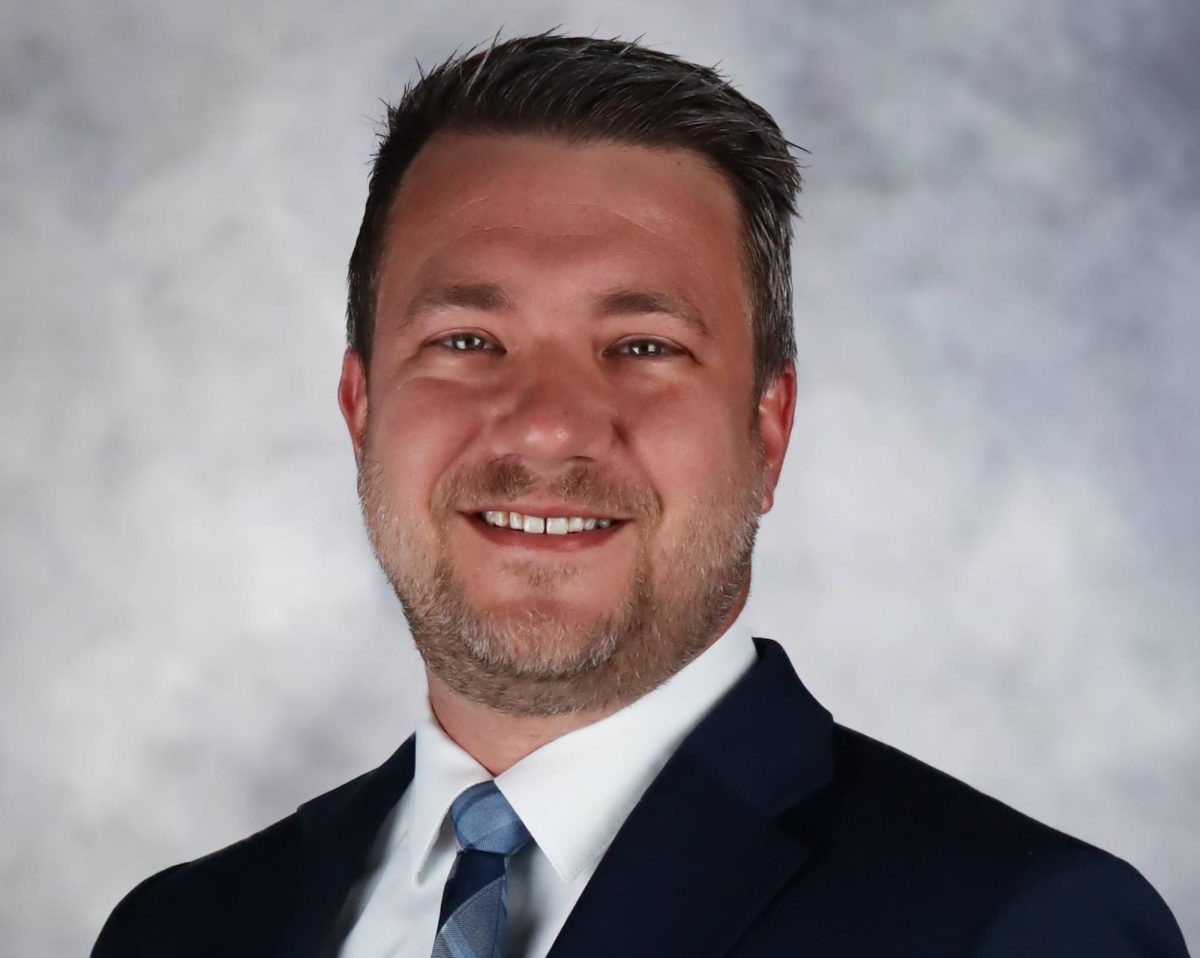
Following his time at the American Association of Teachers of German (AATG) 100th Anniversary Conference — in which German educators and those involved with the language hailing from around the globe came together — Lindbergh High School German teacher Brian Jacob has one piece of advice for students.
“Consider learning German. There’s lots of opportunities, lots of possibilities. The importance of language learning in general — I mean we’re probably the only developed country that’s monoligual,” he said. “One of the top things that most people say they wish they left their K-12 schooling with is the ability to speak a foreign language … I know it’s hard to fit in the schedule, there’s so many cool things, but it’s so interdisciplinary. German can go with engineering, medicine, music — it could go with anything. It’s not an ‘or,’ it can be an ‘and.’”
Approximately 300 individuals — middle and high school educators, numerous professors, doctoral and graduate students and even past presidents of AATG — attended the conference, which was held July 11-14 in Boston. Jacob shared that the event was not only educational, but also inspiring, particularly as he sees German programs in the area dwindle.
“There’s often a feeling, just being in St. Louis for the past decade, that programs are closing, there’s not enough German teachers, there’s not enough people interested in German, that it’s kind of a dying thing. To go to nationals and see all the programs and grants and summer study opportunities — it was like, ‘Oh my gosh, there is really a community for this, and it is actually growing,’” Jacob said.
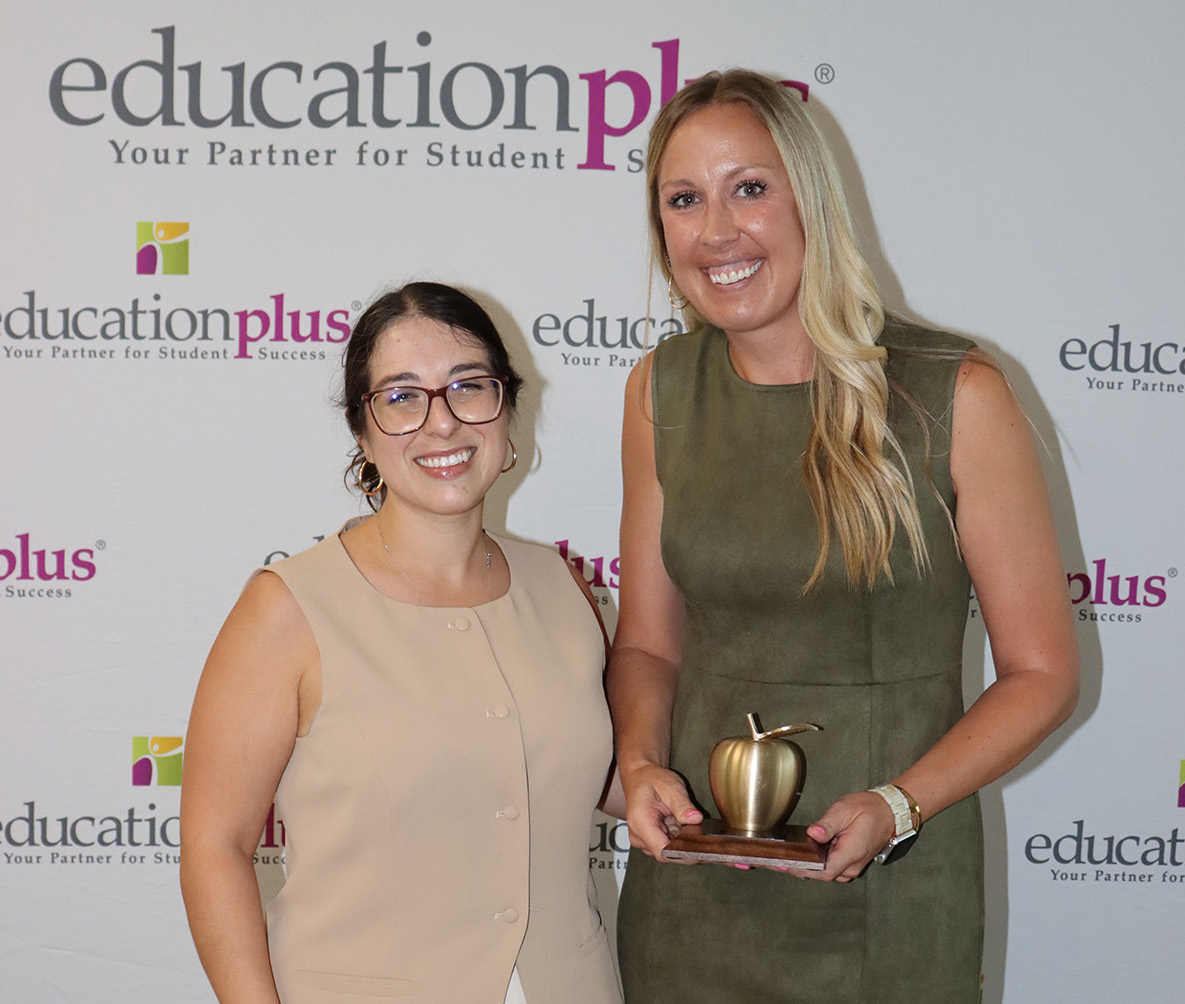
Though open to all members of AATG, attending a conference across the country is not easy for many for a variety of reasons: cost, timing, etc. Luckily, this was no trouble for Jacob, who was able to go free of charge due to winning the prestigious German Embassy Teacher of Excellence Award. Jacob was one of only three teachers who were honored with the award this year, which he won by explaining the strengths of Lindbergh’s German program, one of the largest in the state with approximately 240 enrolled students at the high school level alone.
“We have it at the middle school level, which is also massive,” Jacob said. “One of the big strengths of Lindbergh that I highlighted was our partnership, our German exchange program with a school in Stuttgart, Germany. Stuttgart is actually the sister city of St. Louis, so on both sides, both partner schools get a lot of support from different foundations and in the governments.”
Lindbergh’s German program is unfortunately not representative of offerings across Missouri, though Jacob learned at the conference that this may soon change as the German Embassy plans to shift its overall strategy with North America and begin targeting the Midwest as a growth area.
“Hearing things like the Goethe-Institut is coming back (to St. Louis), the German government is actively going to start investing money in St. Louis again, they’ll have staff on the ground in our town and these sorts of things — it was very, very exciting to just be a part of that,” Jacob said. “What a time to be from St. Louis.”
Another program Jacob learned of to help grow German in the U.S. is AATG’s new German Teaching Training Pipeline. Of the three planned across the country, one is in San Francisco, one is in Boston, and the other, surprisingly, will be stationed right here in St. Louis.
“It’s all about getting undergraduate and graduate students interested in teaching German. One of the most common reasons schools close their programs is there are no applicants, so we need to create more German teachers so the programs don’t die,” Jacob explained.
Overall, the conference left Jacob feeling positive about the future of German language learning and the opportunities that come along with such in St. Louis, the Midwest and the country as a whole.
“Sometimes people think ‘I’ll never live in Germany, I’m never going to use it,’ but the business connections, the research connections are really abundant,” he said.