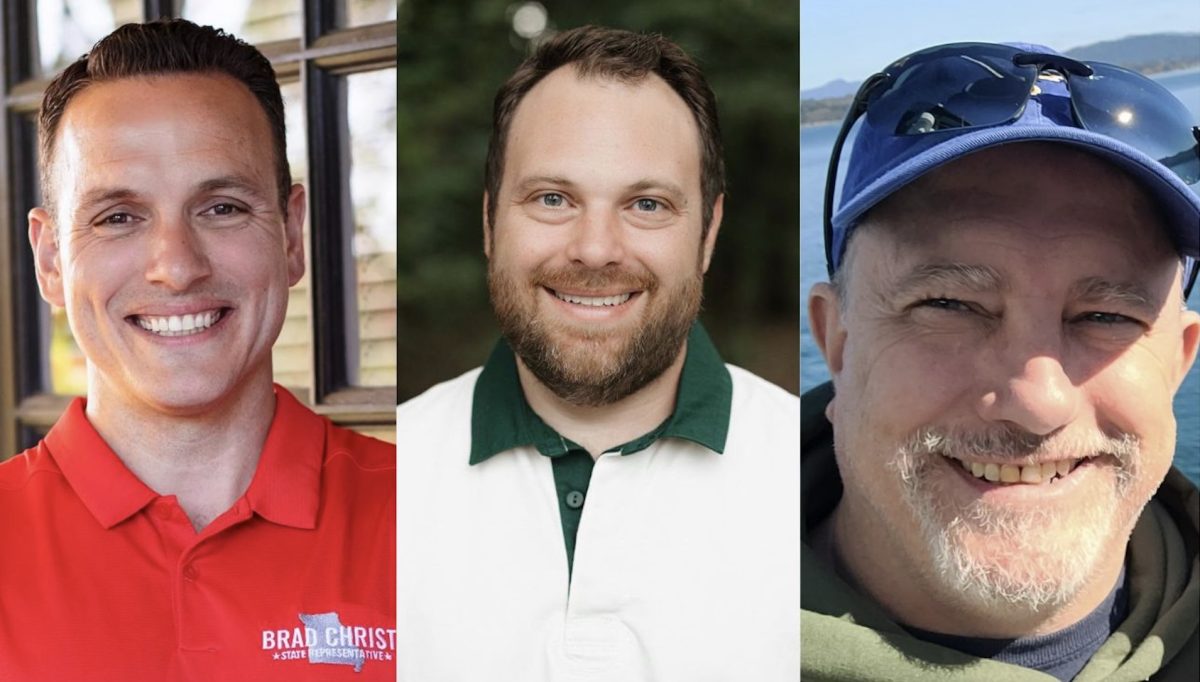
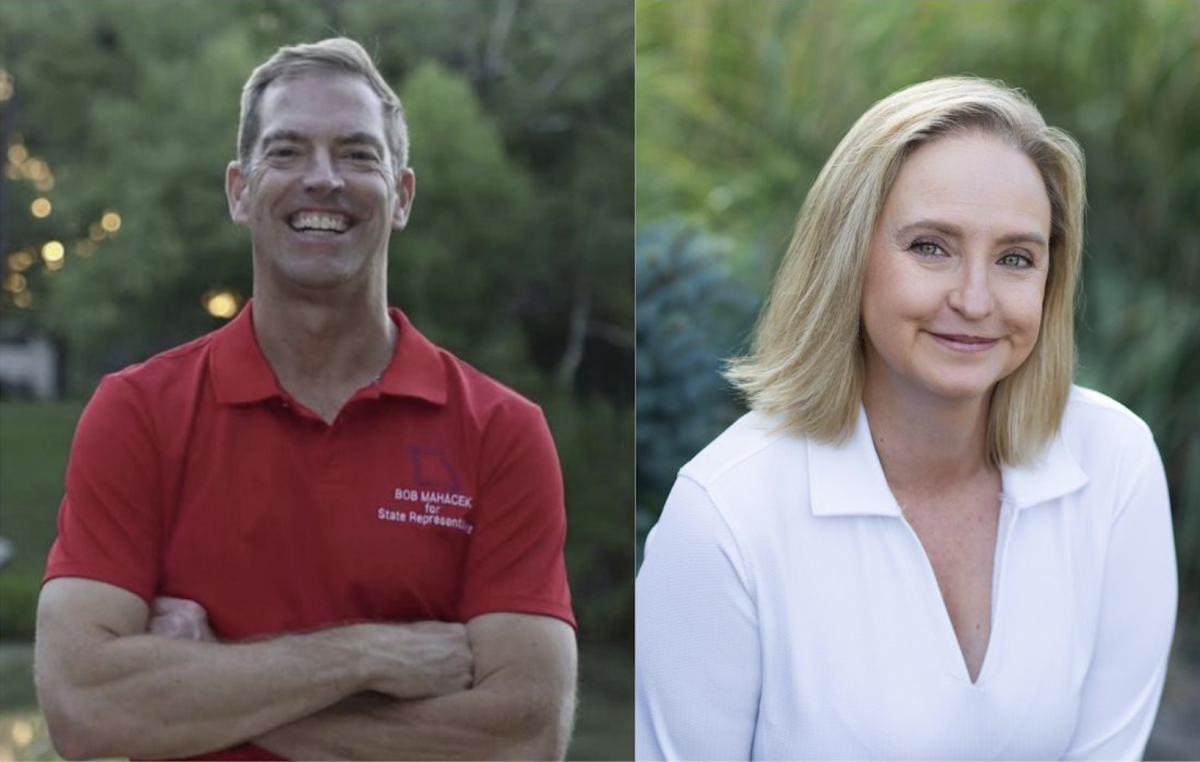
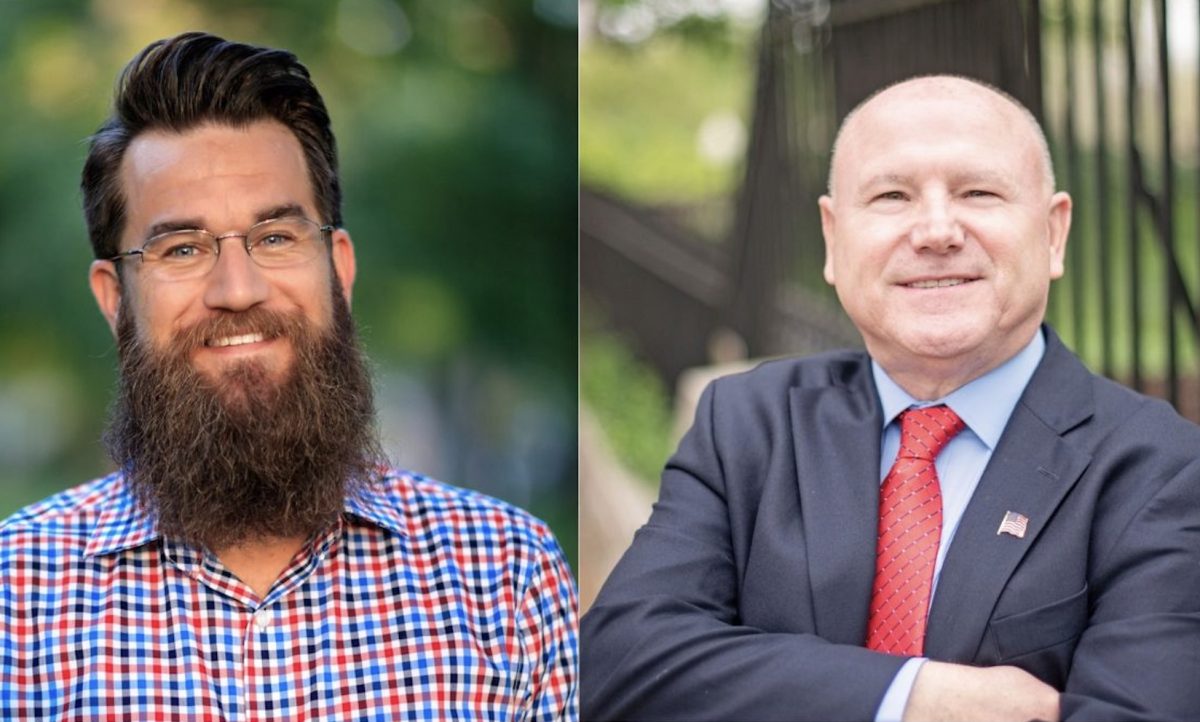
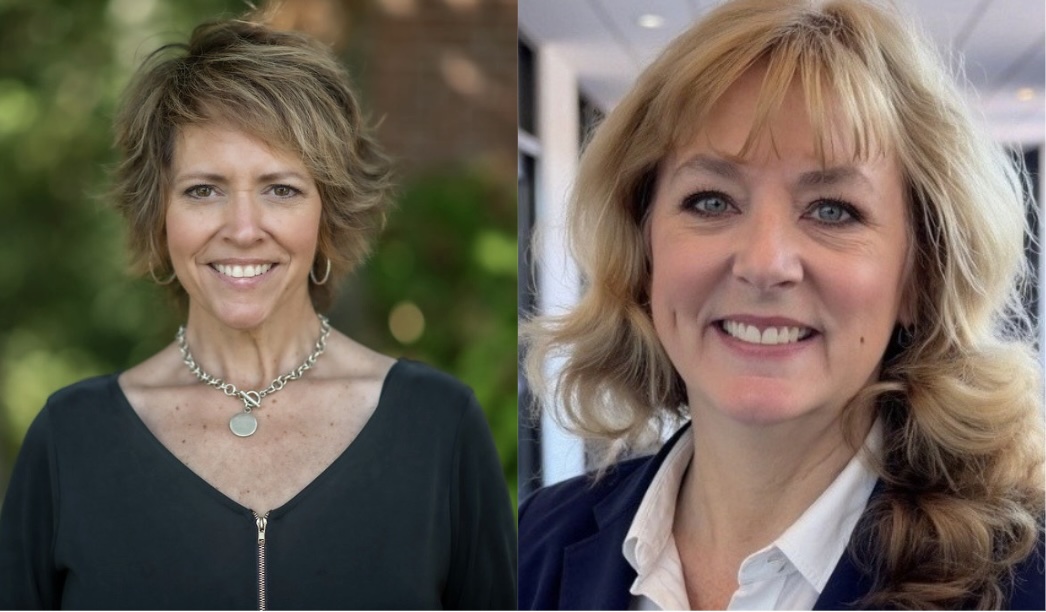
Three candidates — 3rd District County Councilman Dennis Hancock (R), St. Louis County Assessor Jake Zimmerman (D) and Green Party candidate J.D. McFarland — will go head-to-head in the Nov. 3 election for St. Louis County Executive.
This race has no incumbent. The current county executive, Sam Page, is not running for reelection.
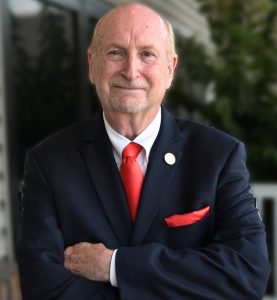
Hancock was elected to the County Council in November 2022, representing the third district, which encompasses Fenton and Sunset Hills as well as portions of West County. Prior to serving on the council, he was the mayor of Fenton from 2001-2013.
When asked why he is seeking office, Hancock said: “I am seeking the office of St. Louis County Executive because I believe the role requires steady, experienced leadership focused on strengthening county government and improving the quality of life for residents. After years of working on issues that affect communities across the county, I want to bring a broader, countywide approach to challenges such as public safety, economic stability and effective service delivery. My goal is to ensure that county government operates responsibly, transparently and in a way that supports families, businesses and local municipalities throughout St. Louis County.”

Zimmerman has been St. Louis County assessor since 2011. Previously a Missouri state representative, Zimmerman represented Missouri’s 83rd District from 2007-2011. He was also an assistant attorney general under Governor Jay Nixon and legal counsel to Governor Bob Holden for the last two years of his administration.
When asked why he is seeking office, Zimmerman said: “I believe St. Louis County has incredible potential to be a place that all of its residents can be proud to call home. I want to do my part to make that happen.”
McFarland did not respond to The Call’s requests.

The candidates gave the following responses to The Call’s candidate questionnaire:
What issue do you consider the single most important issue in this race and why?
Hancock: “Public safety often becomes the top issue in a St. Louis County Executive race because it touches every part of daily life — neighborhoods, schools, businesses and the county’s long-term economic health. Residents consistently express concern about violent crime, property crime and the sense of security in their communities. Law enforcement agencies across the county operate with different resources and challenges, so coordination, staffing and modernizing public safety systems are ongoing priorities. People want to feel secure where they live, work and raise their families.”
Zimmerman: “Our single most important issue is ending the dysfunctional relationship between the County Executive and County Council, and getting our government back to doing the business of the people. Until we’re all on the same page and listening to each other, we can’t work together to effectively tackle the many, many problems facing our county.”
Other issues you perceive in your race and your position on each?
Hancock: “Fiscal stability and budget management — St. Louis County’s budget exceeds $1 billion, and voters are paying close attention to how well the county manages long-term obligations, avoids reliance on one-time funds, and invests in core services. Economic growth and competitiveness — Residents and business leaders want to see stronger job creation, support for small businesses, and a clearer strategy for attracting and retaining employers across the region. Infrastructure and transportation — Road conditions, long-term capital investment, and the future of public transit continue to be major concerns, especially as different parts of the county experience uneven infrastructure quality. Government effectiveness and cooperation — Past conflict between the County Executive and County Council has made government functionality itself a campaign issue. Voters want a more stable, collaborative, and transparent county government.”
Zimmerman: “Closing the budget gap to bring the county to long-term financial stability. Encouraging growth through programs and policies aimed at making St. Louis County an attractive place to call home. Fostering economic development, cutting red tape and making it easier to start and maintain a business in the county. Increasing regional cooperation to offer better public services to county residents. Finding a home for St. Louis County Government that gets the best possible deal for county taxpayers, while allowing residents to access their government with minimal hassle. Ensuring that our vibrant immigrant communities continue to grow and thrive.”
What do you perceive to be St. Louis County’s greatest challenges at present? How will you address these challenges?
Hancock: “St. Louis County is facing several major challenges that shape daily life for families, businesses and local communities. The county’s population has been slowly declining, which makes it harder to maintain strong services and a stable tax base. Employers are struggling to find workers with the skills needed for today’s jobs, limiting economic growth. Many residents face rising housing costs and an aging supply of homes. Roads, bridges and public facilities need significant investment, and some neighborhoods continue to experience higher levels of poverty, flooding, and environmental stress. Public safety concerns and ongoing budget pressures add to these issues, making it essential for county government to focus on long-term stability, coordinated planning and effective service delivery.”
Zimmerman: “To put it bluntly, the county is broke. We’re running a deficit of tens of millions of dollars, and unless we figure out how to patch that hole in our budget soon, the problem is going to keep getting worse. To fix it, we need a nerd — someone who can look at the current financial situation of the county, make some hard decisions between wants and needs, and identify new opportunities for revenue to help balance our budget and get this train back on the rails. I have firsthand experience with this exact kind of management. When I first became County Assessor, our office was operating at a deficit. Now, we’re a model of not just fiscal responsibility, but of accountable, effective government.”
What do you perceive to be St. Louis County’s greatest challenges over the next decade? How will you address these challenges?
Hancock: “St. Louis County faces several major challenges over the next decade, including slow population growth, a workforce that doesn’t fully match the needs of modern employers, aging and expensive infrastructure, rising housing costs, and persistent social and environmental stresses in vulnerable communities. Public safety and long-term fiscal stability remain central concerns as well. Addressing these issues will require coordinated regional planning, stronger partnerships with local municipalities and employers, targeted investments in infrastructure and housing, and expanded access to job training, transportation and community services.”
Zimmerman: “In the long run, our county needs to grow in order for it to thrive. To do that, we need to make it easier to do business here, and create more reasons for people of every description to want to make our county their home. There isn’t a silver bullet solution for this issue — it’s going to take committed, proactive leadership focused on improving county services, cutting red tape, and offering an environment that makes it easy for families across the nation (and across the world!) to learn about St. Louis County and take advantage of all our region has to offer.”
What do you believe are the core responsibilities for someone elected to this office?
Hancock: “The County Executive serves as the chief administrator of St. Louis County, overseeing daily operations of county departments and ensuring services run effectively. The Executive prepares the county budget, manages long-term financial planning, and leads policy development on issues like public safety, economic growth, and infrastructure. The role also involves appointing department leaders, coordinating with municipal, regional, state and federal partners, and maintaining transparency and accountability in how county government serves residents.”
Zimmerman: “The County Executive is an administrator for our county’s day-to-day operations, an ambassador for our region’s interests, and a cheerleader for the many incredible organizations, businesses and individuals who call our county home.”
If elected, how would you work to make yourself accessible to your constituents?
Hancock: “As County Executive, I will stay accessible by being visible in the community, communicating clearly, and making it easy for residents to share concerns. Regular listening sessions, open office hours, and straightforward digital tools — like livestreamed town halls and timely updates online — help people stay informed and connected. Strong relationships with municipal leaders and civic groups also ensure that residents’ voices are heard and that county government remains responsive and transparent.”
Zimmerman: “I’ve never governed from an ivory tower, and I have no plans to start now. In addition to structured town halls and forums, my goal is always to meet the people of St. Louis County where they are: at community events, business openings, and more, all across the region. I also plan to remain just as accessible by call and email as I am today — constituent conversations shouldn’t stop just because election season does.”
Are you satisfied with the direction St. Louis County is headed?
Hancock: “Many residents feel uncertain about the direction St. Louis County is headed, and I share those concerns. Issues like population decline, uneven economic growth, aging infrastructure, public safety challenges, and ongoing fiscal pressures suggest the county needs stronger long-term planning and more consistent leadership. I believe the county must take a more focused, collaborative, and forward-looking approach to return it to a place where families, businesses and communities can thrive.”
Zimmerman: “I think our county has some structural problems that began decades ago, and has been struggling with them ever since. We’re not in a great place right now — but with the right leadership, our best days are still ahead of us.”
What is your position on incorporation?
Hancock: “I believe incorporation should only move forward when the facts clearly show it benefits residents. Communities deserve honest financial analysis, full transparency, and a clear understanding of how services and taxes would change. Incorporation must not create new burdens for taxpayers.”
Zimmerman: “Questions about boundary lines and municipal incorporation always depend on the individual circumstances and the needs and desires of the affected citizens.”
Should the County Executive attend County Council meetings?
Hancock: “The County Executive is required by Charter to attend County Council meetings. But beyond that, doing so is an important part of effective, transparent government. Council meetings are where major decisions about budgets, contracts, ordinances, and public policy are debated and approved. When the Executive is present, it strengthens communication between the administration and the Council, helps resolve issues more quickly, and shows residents that county leadership is engaged and accountable. Regular attendance also makes it easier for the Executive to answer questions directly, provide context for proposals, and stay closely connected to community concerns.”
Zimmerman: “Absolutely, and not just because the County Charter mandates it! For us to do the hard work it’s going to take to turn our county around, the Executive and County Council need to have a strong collaborative relationship. That’s not possible if we’re ignoring each other, shutting one another out of conversations, or failing to communicate effectively.”
Do you believe the St. Louis County Planning Commission is responsive to county residents? Is there anything about the zoning process that should change?
Zimmerman: “I generally believe that the County could do a better job being responsive to citizens who live in unincorporated areas. Planning and Zoning is highly dependent on individual circumstances, and I want to make sure the process is as efficient and responsive as possible.”
Hancock did not answer.
What are your thoughts on data centers? Do data centers have a place in St. Louis County?
Hancock: “Data centers have a place in St. Louis County, but only when they’re planned responsibly and located where they make sense. They can bring investment, strengthen the region’s technology infrastructure, and support industries that depend on reliable computing power. At the same time, they raise real concerns about energy use, land use impacts, noise, and whether they generate enough long-term economic benefit for the community. My view is that data centers should be evaluated case by case, with clear standards for where they can be built, how they use resources, and what they contribute to the county. The goal is to welcome growth in the tech sector while protecting neighborhoods.”
Zimmerman: “Protecting the health and welfare of our residents is always my first priority, and any proposed data center project in St. Louis County must be required to meet a high standard of scrutiny. It’s our job in county government to make sure that data centers don’t drive up utility rates or bring noise, water, and air pollution to our communities. To that end, projects should be required to meet ironclad regulatory requirements established by the County Council. This probably means that not every data center project is going to be a fit for the county — but not all business is good business, and people have to come first.”
Do you support a merger of St. Louis County and St. Louis city?
Hancock: “I oppose a merger because it risks higher taxes, uneven services, and reduced local representation. I believe residents shouldn’t be asked to absorb new debt or lose control over their communities without clear proof a merger would improve outcomes. In my view, the region should focus on stronger cooperation — not consolidation.”
Zimmerman: “I believe that our path forward as a county requires a regional approach to problem-solving, and that looks like continuing the pattern of cooperation that has already been started by programs like the St. Louis Library system. There are absolutely ways for the County and City to share resources to the benefit of both of us — the same is true of St. Louis County and St. Charles County, or St. Louis County and Franklin or Jefferson County. I have opposed past merger proposals such as the so-called “Better Together” plan. I am open-minded about future proposals, including big questions such as whether the city of St. Louis could one day re-enter the County as another municipality. Any such proposal must be subject to the will of the people. For me, the real test of any cooperation idea is: what does it do for our parks and our potholes? Show me a good deal for County taxpayers, and I’ll be the first one out collecting signatures.”
What measures, if any, will you propose to encourage economic development in South County?
Hancock: “I want economic development in South County to focus on practical steps that create jobs, revitalize aging commercial areas, and strengthen core infrastructure. That means working with employers to bring good-paying jobs closer to residents, supporting small businesses, and targeting redevelopment in underused corridors like older retail strips and commercial centers. I also believe the county should invest in transportation, utilities and public amenities that make South County competitive and attractive for families and businesses. My goal is steady, community-focused growth built on jobs, redevelopment and strong infrastructure.”
Zimmerman: “South County needs to be a priority for any incoming executive – the area has incredible potential, but has too often been left underserved and underdeveloped. When residents have to contend with wasted potential, it makes sense that they’d worry about the future of their neighborhoods. To help turn this trend around, we need to make it easier and simpler for businesses to set up shop across the county. We also need to promote the kind of community-driven entrepreneurship which has allowed venues like 9 Mile Garden to thrive — creating places where people can drive the local economy and come together as neighbors.”
How will you attract new business and jobs into the county as a whole?
Hancock: “I believe the county must take a practical, proactive approach to attracting new businesses and jobs. That means making county government easier to work with by streamlining permitting and reducing unnecessary delays, investing in modern infrastructure — especially transportation, utilities, and broadband — and preparing a skilled workforce through stronger partnerships with schools, employers, and training programs. I also support targeted redevelopment of aging commercial areas, competitive incentives tied to real job creation, and a coordinated regional strategy that markets St. Louis County’s strengths. Your goal is to create an environment where businesses can grow and residents can find good-paying jobs close to home.”
Zimmerman: “The only sustainable way to drive long-term business growth in our region is through long-term investments. Cutting red tape and simplifying processes like licensing can (and will) help — but for businesses to want to choose St. Louis, we have to keep St. Louis County a place where people want to live, work, and play. To be clear, we’ve got the ingredients for that in spades. Our region has some of the best free, public amenities in the country. We have parks and entertainment areas that are the envy of the state. We’re home to some great public schools, and the cost of living in our area is very competitive, especially compared to places like the coasts. But we can do better. As assessor, I know that the cost of homes — especially $100 to $300k homes — has been skyrocketing over the past decade, due in large part to a lack of supply. By doing what we can to encourage the building of new homes, improving County services, and investing in infrastructure across our region, we can continue to make St. Louis County the kind of place where people want to move, and where businesses can feel confident that they will have ready access to both patrons and employees for years to come.”
What do you see as the status of county finances? What would you do to balance the county’s budget?
Hancock: “Decades of deficit spending and using reserves to balance the budget have created the current situation where the county has minimal reserves and no plan to replenish them. To balance the budget, I propose a straightforward approach: tighten spending, improve financial transparency, and focus on long-term stability instead of short-term fixes. That includes reviewing departmental budgets for efficiencies, modernizing county operations to reduce waste, and prioritizing investments that deliver clear value to residents. I also believe the county must strengthen economic growth — because a healthier economy is the most sustainable way to stabilize revenue without raising taxes.”
Zimmerman: “We’re obviously in a tight spot, with an ongoing budget deficit that needs to be addressed. The specifics of how we tackle that are something that I’ll need to get my arms around as County Executive, but just like any business or household, the answer comes down to generating revenue and cutting costs. We’ve seen a few revenue-generating proposals run into obstacles recently, and I think that comes down to the fact that the voters don’t trust what they view as a dysfunctional government. On the costs side, there are clearly examples of wasteful spending that we can trim back in order to find a few bucks — the multi-million dollar, non-functional computer system in the Department of Revenue comes to mind. This is going to be a long, tough process, but I believe that I am up to the task.”
How do you plan to collaboratively work with the St. Louis County Council?
Hancock: “I believe collaboration with the County Council starts with respect and transparency. That means sharing information early, being clear about priorities, and listening to council members before decisions are made. My approach is steady communication, no surprises and treating the council as a genuine partner in serving residents.”
Zimmerman: “I have a great deal of respect for the men and women of our County Council — they’re all elected officials who are working hard to make life better for the people they represent. In many ways, I see the job of County Executive as being not too far off from a CEO with a board of directors. If elected, I will answer to them when it comes to the implementation of the laws they work to create. That kind of relationship thrives when everyone involved is willing to listen to each other. We acknowledge where we may differ, but at the end of the day we focus our shared efforts on areas of shared concern. And at this point, our county has enough problems that concern all of us that we can stay busy for a good, long while.”
What is your greatest accomplishment for St. Louis County?
Hancock: “My greatest accomplishment for St. Louis County is delivering real, measurable help to seniors by sponsoring and passing the Senior Property Tax Freeze. This policy protects thousands of older residents from rising property taxes so they can afford to stay in their homes. It’s a concrete example of how I’ve worked to make county government more responsive, transparent and focused on the people it serves. Combined with my efforts to stabilize county operations and restore accountability, the tax freeze stands out as a major achievement that improves lives across the county.”
Zimmerman: “A lot of my job involves bringing home small wins for the people of St. Louis County, and not a lot of that makes the news. Every time I stop a shady developer from getting a tax break they don’t deserve, that’s money back in the pockets of everyday residents across the county. If I had to pick one, I’d say cracking down on ‘fake farmers’ who were trying to count parking lots and planters in strip malls as ‘farmland’ to get big write-offs they didn’t deserve. That was a big win for our bottom line in the county.”
What makes you stand out from the other candidates in this race?
Hancock: “The biggest distinction between myself and the other candidate is that I’ve delivered concrete results, not just promises. I’ve restored stability and transparency in county government, worked collaboratively with the council and passed policies that directly help residents — most notably the Senior Property Tax Freeze, which protects thousands of older homeowners from rising costs. My approach is steady, practical and focused on solving problems rather than creating conflict. I bring experience, accountability and a clear record of putting residents first. That is what sets me apart.”
Zimmerman: “I think that Dennis and I share a lot in terms of priorities for getting this train back on track. We don’t agree everywhere, though. For example, I disagree with him when he suggests that building data centers across North County is the cure-all for our economic situation. I certainly disagree with him about national politics — it’s no secret I don’t think the President has done a good job by the people of Missouri. And at the end of the day, I think that a finance nerd who managed to turn around a countywide office is exactly the kind of thoughtful, principled leadership that our county needs to tackle the issues we’re dealing with right now.”
Have you been endorsed by any groups/organizations?
Hancock: “I’m proud to be endorsed by MO Tax Relief Now and former County Executive Gene McNary — support that reflects confidence in my record of responsible leadership and real results for residents. These endorsements highlight my commitment to fiscal stability, transparency, and practical problem-solving, including my work on the Senior Property Tax Freeze that protects thousands of older homeowners. Their backing shows that trusted voices in St. Louis County believe I’m the steady, experienced leader St. Louis County needs now.”
Zimmerman: “I have the honor of being endorsed by the Missouri AFL-CIO, along with a number of our local labor unions, including those representing police officers and firefighters. I also have the endorsement of Senator Doug Beck, as well as a number of current and former state representatives, mayors and local councilpeople. I am endorsed by Abortion Action Missouri, and have received the Gun Sense Candidate Distinction from Moms Demand Action.”
Editor’s note: The following questions are as they were submitted to The Call by the candidates in their entirety. They have not been edited in any way, other than to ensure appropriate language and no direct attacks on opponents or other candidates.